
Our Story
Healthy Soil. Healthy Business.
Biology-first programs for commercial poultry, turf and crop growers — proven on thousands of farm visits across the U.S.
Trusted by growers in 99+ dealer locations nationwide
2009
In Business Since
16+ years helping growers solve problems
99+
Dealer Network
Locations carrying Southland programs
Thousands
On-Farm Experience
Farm visits with commercial poultry and crop growers
Nationwide
Shipping via UPS
Fast delivery to farms across the U.S.
How We Started
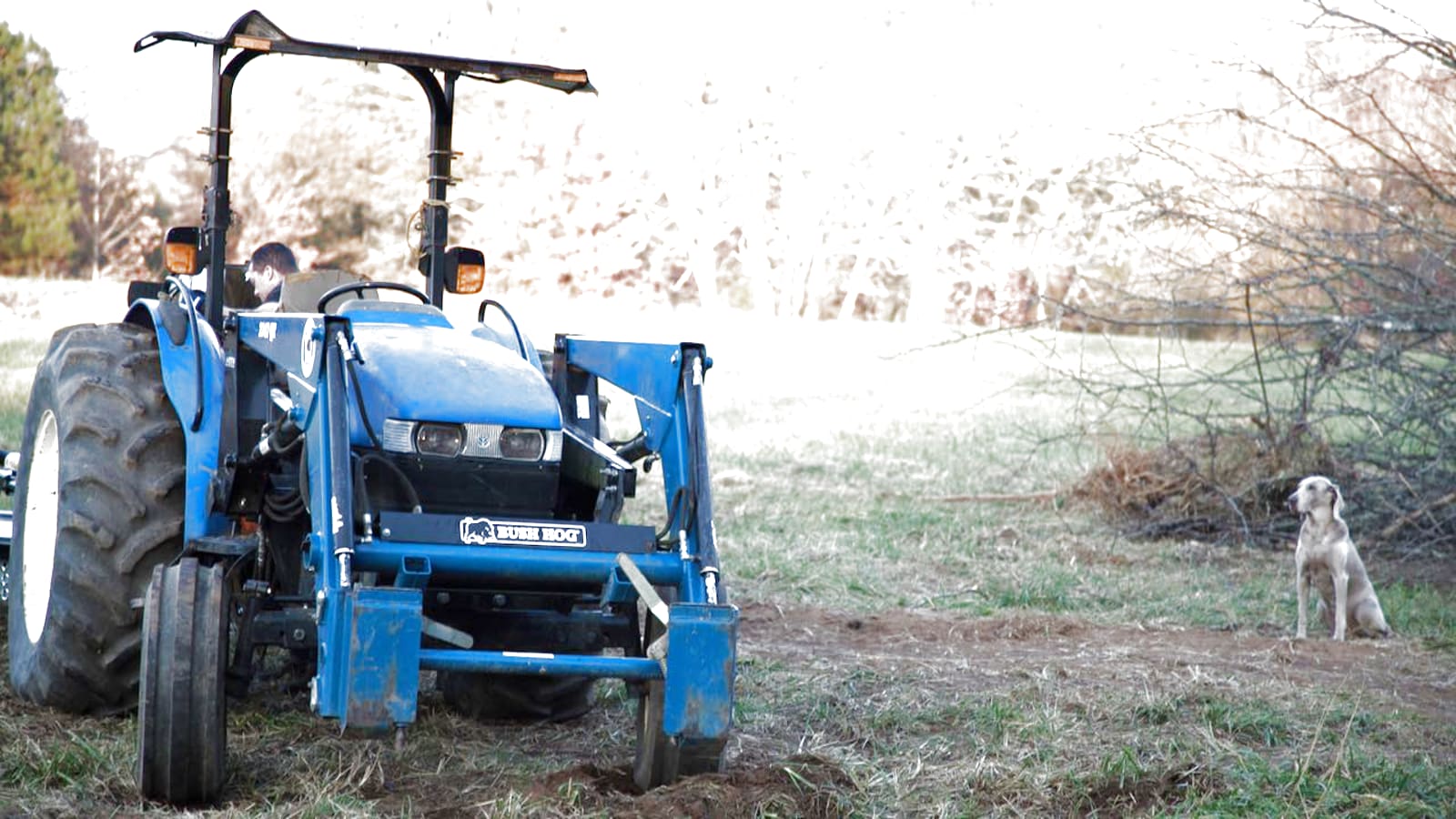
Built on Field Experience, Not Theory
Mike Usry — Founder & CEO, MBA from the University of South Florida, UGA football letterman — spent 20+ years studying humate deposits, soil biology and the disconnect between what works in a lab and what works in a real barn.
In 2009, Mike and Karin founded Southland Organics to build programs around that science. Programs that feed the biology, not just the plant. Programs that hold up in commercial poultry houses, on turf, and in the field — not just on a data sheet.
We only keep programs that survive real-barn scrutiny: fewer dead birds, tighter litter, stronger root systems — not just good lab curves.
Leadership
The Leaders You'll Actually Talk To
Not just names on a website. Mike and Allen are in the field, on the phone, and on the mic every week.
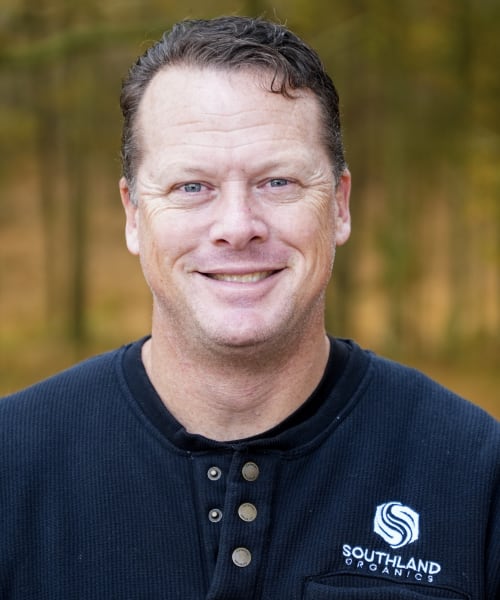
Mike Usry
Founder & CEO
- 20+ years in organic agriculture and soil biology
- MBA, University of South Florida
- Lettered at the University of Georgia
- Host, AG & Culture Podcast
"What keeps me going is watching a grower try something different with their soil and come back a season later saying it actually worked. That's the whole reason Southland exists."Listen to the AG & Culture Podcast
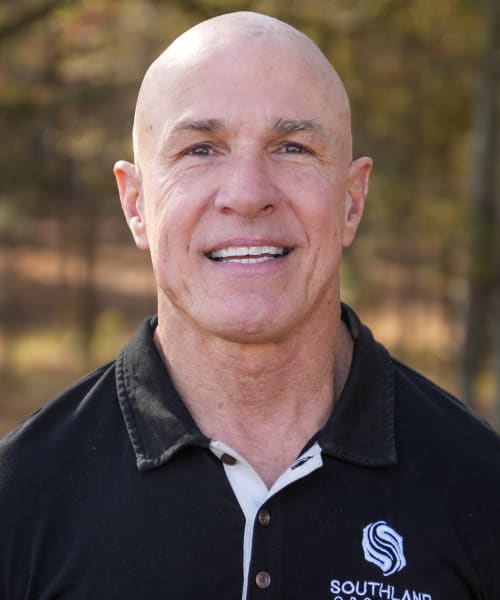
Allen Reynolds
VP & Director of Operations
- 10+ years helping commercial poultry growers improve performance
- Thousands of farm visits across the Southeast and beyond
- Antibiotic-free poultry specialist since 2017
- Host, Poultry Biosecurity on YouTube
"The best part of this job is watching a grower go from stressed about their next flock to confident they've got a plan. That's what keeps me on the road."Watch Poultry Biosecurity on YouTube
Our Approach
Biology First. Always.
Every program we build and every recommendation we give starts with the same principle.
Feed the Soil, Not Just the Plant
We strengthen the soil microbiome so plants and birds are more resilient — backed by humic-based formulas and effective microorganisms used across poultry, turf and crop operations.
Proven in the Field
Our programs are refined from thousands of farm visits and side-by-side trials — not just lab data. Better litter, fewer condemnations, stronger turf. If it doesn't hold up in a real barn or on a real lawn, we don't sell it.
People Over Transactions
Long-form AG & Culture Podcast for deep soil and agronomy talks. Poultry biosecurity videos to help growers protect flocks. 99+ dealer locations for boots-on-the-ground support. We invest in education and relationships, not just order taking.
Behind the Scenes
See For Yourself
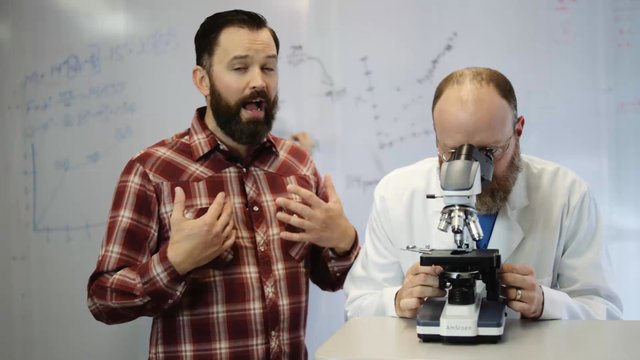
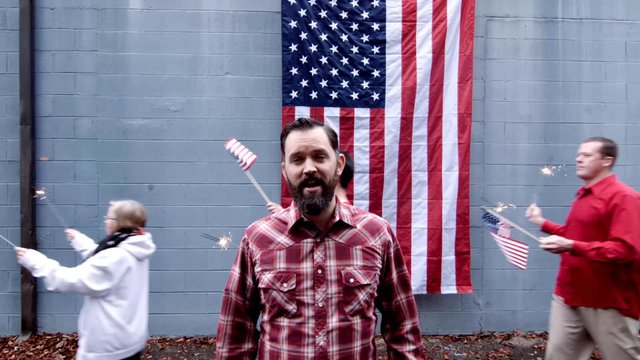
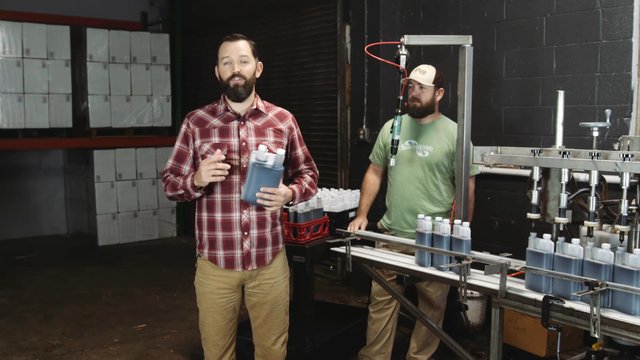
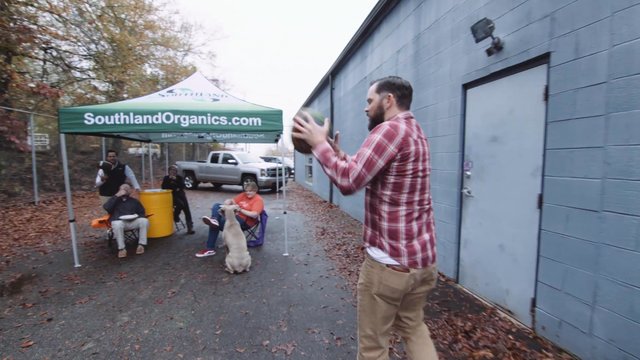
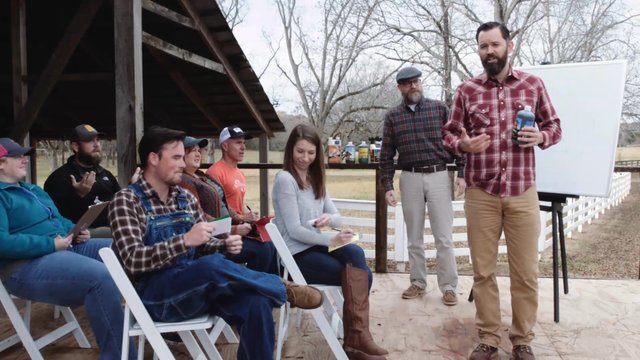
Short videos. Real personality. This is who we are.
Who We Serve
From Backyard to Commercial
The science of soil health doesn't change with scale. Our programs serve growers at every level.
Commercial Poultry
Litter treatments, water line programs, and biosecurity for broiler growers.
Turf & Lawn Care
Soil conditioners and organic programs for turf professionals and homeowners.
Swine
Supplements and waste management programs for healthier hog operations.
Septic & Waste
Biological waste treatment for septic systems and commercial applications.
Not sure where to start? Contact our team — we'll point you in the right direction.
The Full Team
Meet Our Team
Behind every program and farm visit is a team that obsesses over biology, logistics and service so you don't have to.

Mike Usry
Founder & CEO
With years of experience in humate deposits and soil biology, Mike brings practical knowledge from the field to every conversation. He founded Southland Organics to create sustainable solutions that work with nature, not against it.
Meet Mike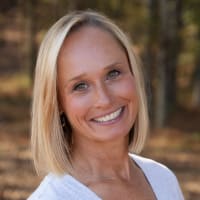
Karin Usry
Co-Founder & Chief of Staff
As co-founder and Chief of Staff, Karin manages operations, human relations, accounts receivable, customer service, and more. She's the person behind the scenes making sure everything at Southland Organics actually works.
Meet Karin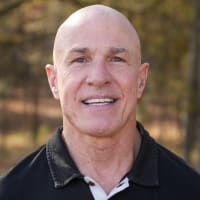
Allen Reynolds
Vice President & Director of Operations
Allen serves as Vice President and Director of Operations, overseeing poultry development and ensuring our products reach the growers who need them most.
Meet Allen
Joseph Boehm
Co-Host, Ag & Culture Podcast
Joseph co-hosts the Ag & Culture Podcast alongside Mike Usry, bringing curiosity and practical questions to each conversation. His approach helps translate complex soil science and agriculture topics into accessible insights for growers of all levels.
Meet Joseph
Lisa Davis
Sales Lead
Lisa leads the sales team at Southland Organics with a rare combination of warmth, thoroughness, and process. Growers trust her because she listens first, researches before she recommends, and never lets a detail fall through the cracks.
Meet Lisa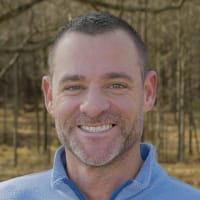
Philip McWhirter
Sales Representative
Philip is a sales representative at Southland Organics who combines an honest love for helping people with the discipline to make sure every grower gets exactly what they need.
Meet Philip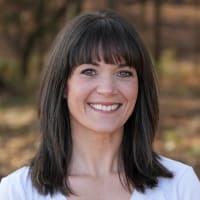
Andi Ausborn
Office Manager
As Office Manager at Southland Organics, Andi keeps the administrative backbone of the company running with a rare blend of thoroughness and speed.
Meet Andi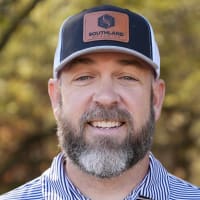
Brad Broxton
Spray Squad Lead
Brad leads the Southland Organics Spray Squad, bringing organic lawn care solutions directly to homeowners and businesses. His hands-on approach and dedication to his team and customers set the standard for field operations.
Meet Brad
Matt Austin
Operations
Matt handles operations at Southland Organics, managing the logistics and fulfillment that ensure every product reaches every customer exactly when they need it.
Meet Matt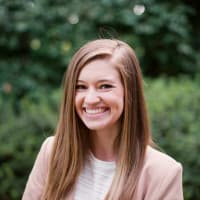
Erin Flowers
Marketing
Erin handles marketing at Southland Organics, crafting the campaigns and content that connect growers with the organic solutions they've been looking for.
Meet ErinAg & Culture Podcast
Go Deeper on Soil Science
Hear growers, agronomists and industry leaders talk through the real biology behind resilient soil, crops and flocks.
Hosted by Founder & CEO Mike Usry
BBB Accredited · A+ Rating · Zero Complaints · 189 Luke Road, Bogart, GA 30622 · 800-608-3755