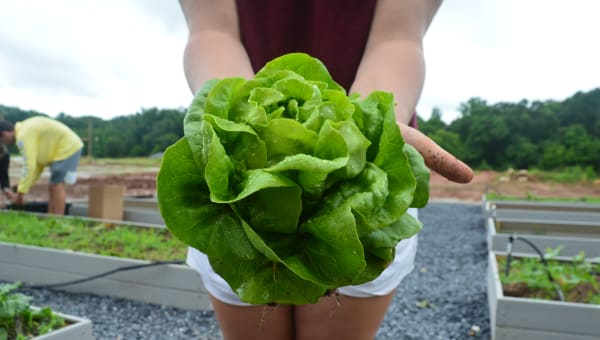
It’s time to start planning your fall/winter harvest. We are in the next phase of planting (mid July–September), and we have organized a list of over 20+ vegetables to help you make the planning a little easier.
Make sure to plant the following vegetables no later than July 20th to allow time to mature before your first frost. Georgia falls under zone 8A, but make sure to check your USDA hardiness zone to find the best crops to plant. Most of these vegetables can be planted or sown directly outdoors to ensure that your winter vegetable garden is fully stocked.
-
Beets
-
Beans
-
Broccoli
-
Brussels Sprouts
-
Cabbage
-
Carrots
-
Collard Greens
-
Green Onions
-
Herbs
-
Kale
-
Lettuce
-
Mustard Greens
-
Okra
-
Onions
-
Peas
-
Pumpkins
-
Radishes
-
Spinach
-
Tomatoes
-
Winter Squash
-
Turnips
Happy planting, and enjoy your fall garden!
Written by

Founder & CEO
20+ years in organic agriculture • Humate & soil biology specialist
With years of experience in humate deposits and soil biology, Mike brings practical knowledge from the field to every conversation. He founded Southland Organics to create sustainable solutions that work with nature, not against it.
View full profile